
- Understanding Caribbean Collectibles: A Beginner's Guide to Island Treasures
- Decoding the Value: Key Factors Influencing Caribbean Collectible Prices
- Identifying Authentic Finds: Recognizing Genuine Caribbean Artifacts and Crafts
- Exploring Popular Caribbean Collectible Categories: A Detailed Breakdown
- Where to Find Caribbean Collectibles: Proven Sources and Marketplaces
- The Art of Authentication: Avoiding Fakes and Counterfeit Caribbean Treasures
- Caring for Your Caribbean Collectibles: Preservation and Restoration Techniques
- Advanced Collecting Strategies: Building a Specialized Caribbean Collection
- Investing in Caribbean Collectibles: Trends, Risks, and Long-Term Potential
- Frequently Asked Questions
Understanding Caribbean Collectibles: A Beginner's Guide to Island Treasures
The allure of Caribbean collectibles lies in their tangible connection to a vibrant history, rich culture, and unique natural environment. For the budding collector, navigating this world of island treasures can seem daunting. This guide offers a foundational understanding, equipping newcomers with the knowledge to identify, appreciate, and responsibly acquire these fascinating objects.
A Tapestry of History and Culture
Caribbean collectibles aren't a monolithic category; they represent a diverse blend of influences. The islands have served as crossroads for centuries, shaped by indigenous populations, European colonizers, African slave traders, and subsequent waves of immigration. This historical layering is reflected in the artifacts that have survived. Early colonial pottery, often bearing marks of sugar plantations or trading companies, provides a glimpse into the islands' economic past. Similarly, antique tools and household items shed light on daily life in bygone eras. The presence of African-derived crafts, from intricate carvings to vibrant textiles, underscores the enduring cultural impact of the transatlantic slave trade.
Popular Categories for Beginners
Several categories of collectibles are particularly accessible
Decoding the Value: Key Factors Influencing Caribbean Collectible Prices
The market for Caribbean collectibles is a dynamic one, influenced by a multitude of interconnected factors. Understanding these elements is crucial for both seasoned collectors and those just beginning to explore this fascinating realm of history and artistry. Price determination isn't a simple equation; rather, it’s a complex interplay of scarcity, historical significance, condition, and current demand.
One of the most significant drivers of value is rarity. Many Caribbean collectibles, such as antique maps, early photographs, and unique artifacts, were produced in limited quantities. The fewer examples that exist, the higher the potential price. For instance, a first edition book on a specific Caribbean historical event, especially one with significant illustrations, can command a substantial premium due to its limited availability. This scarcity is often tied to the historical context of production – factors like wartime limitations or the fragility of materials contribute to lower survival rates.
Historical significance plays an equally vital role. Collectibles directly linked to important events, influential figures, or cultural movements within the Caribbean often hold greater value. Items associated with the colonial era, abolitionist movements, or the formation of independent nations frequently attract serious collectors and historical societies. A well-documented letter from a prominent Caribbean leader, or a piece of art created during a pivotal moment in history, can be particularly sought after. The provenance – the documented history of ownership – significantly enhances an item's historical credibility and, consequently, its worth.
The condition of a collectible is paramount. Collectors meticulously assess the state of an item, looking for signs of wear and tear, damage, or restoration. Generally, items in excellent condition command the highest prices. Graduations systems are often used, ranging from "mint" to "poor," to provide a standardized assessment. For example, a vintage Caribbean poster in pristine condition will be far more valuable than the same poster with significant creases, tears, or fading. Factors like fading in textiles, cracks in ceramics, or damage to paper documents can dramatically decrease an item’s desirability and market value.
Beyond these core elements, demand significantly influences pricing. Trends in collecting are constantly evolving, and certain types of Caribbean collectibles may experience periods of heightened interest. This can be driven by increased cultural awareness, academic research, or the influence of prominent collectors and institutions. For instance, there has been a growing interest in pre-independence Caribbean art in recent years, leading to increased prices for previously overlooked works. Furthermore, the geographic location of the buyer also influences demand; items with strong ties to a particular Caribbean nation may be more sought after by collectors from that region.
Finally, authentication and documentation are critical. Establishing the authenticity of a collectible often requires expert knowledge and, sometimes, scientific analysis. Reputable dealers and auction houses typically provide certificates of authenticity, which can significantly bolster a collectible’s value. Accompanying documentation, such as original receipts, exhibition records, or scholarly articles referencing the item, further strengthens its credibility. This is particularly important in combating forgeries and ensuring that a collector’s investment is sound. Consider a case study: a previously unknown painting attributed to a famous Caribbean artist gained significant value after expert authentication confirmed its provenance and stylistic consistency.
Identifying Authentic Finds: Recognizing Genuine Caribbean Artifacts and Crafts
The allure of Caribbean collectibles lies in their rich history and cultural significance. However, the market also presents challenges, with reproductions and inauthentic items circulating. To confidently acquire genuine treasures, collectors need to develop a keen eye and understanding of the materials, techniques, and historical context associated with various Caribbean crafts and artifacts. This section explores key aspects of identifying authentic finds, offering practical guidance for discerning buyers.
One crucial element in determining authenticity is understanding the materials traditionally used. For example, many Caribbean crafts feature local hardwoods like mahogany, cedar, and ebony. Genuine pieces often exhibit the natural grain and characteristics of these woods, although variations are expected due to the organic nature of the material. Reproductions may utilize cheaper, less durable woods or inconsistent finishes. Similarly, authentic ceramics frequently incorporate local clays and pigments, resulting in unique color palettes and textures that differ from mass-produced items. Look for subtle variations in color and surface imperfections, which are common in handcrafted ceramics.
Beyond materials, the craftsmanship itself provides significant clues. Many traditional Caribbean crafts are made by hand using time-honored techniques passed down through generations. These techniques often result in slight irregularities and imperfections – hallmarks of handmade items. Machine-made goods, conversely, tend to exhibit uniform precision. Consider the construction of wood carvings. Authentic pieces might show evidence of hand carving, with subtle tool marks and a unique aesthetic. Conversely, a smooth, perfectly symmetrical carving might indicate machine production. Textiles, particularly those woven on traditional looms, often display variations in weave and pattern that are difficult to replicate with modern machinery. A consistent, flawless weave could be a red flag.
Historical context is equally important. Understanding the history and cultural origins of a particular artifact can help verify its authenticity. For instance, many Caribbean crafts are linked to specific historical periods or cultural groups. Researching the typical styles, motifs, and techniques prevalent during a certain era can assist in assessing a piece's age and provenance. Look for consistent stylistic elements within a particular tradition. For example, certain patterns in wood carvings or specific types of beadwork are strongly associated with particular island nations or historical periods. Consulting with experts or referring to reputable historical resources can provide valuable insights.
Furthermore, provenance – the documented history of ownership – is a vital aspect of authentication. Ideally, an authentic collectible will have a clear history tracing its origin and previous owners. While complete documentation is not always feasible for older pieces, any available information, such as receipts, appraisals, or family histories, can bolster confidence in its authenticity. Be wary of items with vague or missing provenance. Reputable dealers often maintain detailed records of their acquisitions, which can be a sign of trustworthiness.
When examining metalwork, pay attention to the type of metal and the techniques employed. Historically, many Caribbean metal crafts utilized copper, brass, and silver. Authentic pieces may show signs of age, such as patina or oxidation, which are natural processes that occur over time. However, be cautious of artificially applied patina, which often looks unnatural. Look for hallmarks or maker's marks, though note that reproduction pieces may also feature these. The quality of the casting and finishing can also be indicative of authenticity.
Finally, it's wise to seek expert opinions. Consulting with reputable antique dealers, museum curators, or independent appraisers specializing in Caribbean art and artifacts can provide valuable verification. These professionals possess the knowledge and experience to assess authenticity and value. An appraisal from a recognized expert can provide a level of assurance that is difficult to obtain otherwise. Due diligence and informed research are paramount when navigating the world of Caribbean collectibles.
Exploring Popular Caribbean Collectible Categories: A Detailed Breakdown

The Caribbean offers a vibrant tapestry of history, culture, and natural beauty, all of which translate into a rich landscape of collectibles. From tangible artifacts to unique artistic expressions, the region presents diverse opportunities for enthusiasts. This section delves into some of the most popular collectible categories, providing a detailed breakdown of their significance, key characteristics, and factors influencing their value.
|
Future Is Now — Archive Edition $ 48 |
LA28 Carib Tee $ 45 |
LA28 Caribbean Tee $ 65 |


Historical Artifacts
Caribbean history is a complex narrative shaped by indigenous populations, European colonization, and the transatlantic slave trade. Consequently, historical artifacts hold significant collectible appeal. These items offer tangible connections to the past and provide valuable insights into the region's multifaceted heritage.
- Pre-Columbian Pottery and Tools: Discoveries of artifacts from the Arawak, Carib, and Taino civilizations are highly sought after. These pieces, ranging from intricately decorated pottery shards to stone tools, provide evidence of early Caribbean life and craftsmanship. The condition and provenance (history of ownership) significantly impact value.
- Colonial-Era Coins and Currency: Coins minted during the Spanish, British, French, and Dutch colonial periods are popular among numismatists (coin collectors). Factors like rarity, metal composition, and historical significance contribute to their worth. For example, Spanish silver reales coins from the 17th and 18th centuries are commonly found and collected.
- Early Maps and Documents: Handwritten maps, charts, and official documents from the colonial era are valuable historical resources. These records often detail trade routes, settlements, and geographical knowledge of the time. Their rarity and historical accuracy are key determinants of value. A map detailing early explorations of a specific island could command a considerable price.
- Naval Artifacts: Items recovered from shipwrecks, such as navigational instruments, ceramics, and personal belongings of sailors, offer a glimpse into maritime history. The stories behind these artifacts – the ships they belonged to and the voyages they undertook – often enhance their collectibility.
Fine Art & Sculpture
The Caribbean has fostered a thriving artistic tradition, blending European influences with indigenous and African aesthetics. Caribbean art encompasses a wide range of mediums and styles, attracting collectors worldwide.
- Post-Impressionist and Modern Caribbean Paintings: Artists like Cllode Pétion-Ville (Haiti) and Derek Walcott (Saint Lucia) gained international recognition for their unique portrayals of Caribbean life and landscapes. Paintings from these and other influential artists can fetch substantial prices.
- Sculpture: Caribbean sculptors utilize diverse materials, including wood, stone, and metal, to create pieces that reflect cultural narratives and contemporary themes. Works by artists like Samuel Sharpe (Jamaica) are particularly valued for their historical and artistic significance.
- Prints and Drawings: Affordable yet culturally significant, prints and drawings by Caribbean artists offer an accessible entry point into collecting Caribbean art. These works often depict scenes of daily life, historical events, or natural landscapes.
Antiques & Decorative Arts
Caribbean homes often feature a blend of antique furniture, decorative objects, and household items that reflect the region's colonial past and cultural influences.
- Colonial Furniture: Pieces crafted from local hardwoods, such as mahogany and cedar, are highly collectible. Furniture styles often reflect European designs adapted to the Caribbean climate and aesthetic.
- Ceramics and Porcelain: Hand-painted ceramics and porcelain from local potteries, as well as imported pieces from European manufacturers, are popular. Look for pieces with unique Caribbean motifs and vibrant colors.
- Caribbean Textiles: Hand-woven textiles, such as indigo-dyed cotton cloths and embroidered pieces, are valuable for their craftsmanship and cultural significance. These textiles often feature intricate patterns and symbolic designs.
- Vintage Caribbean Advertising and Ephemera: Old posters, advertisements, and other printed materials offer a fascinating glimpse into Caribbean commerce and culture throughout the 20th century. These items are increasingly popular among collectors. A vintage poster advertising a local rum distillery, for instance, can be quite desirable.
Natural History & Ephemera
Beyond man-made objects, the Caribbean’s rich biodiversity and cultural history also yield interesting collectibles.
- Dried Specimens: Historically, collections of dried plants, insects, and shells were popular among naturalists. While less common now, these offer a window into the region’s ecology.
- Caribbean Postcards and Stamps: Postcards depicting iconic Caribbean scenes and stamps featuring local flora, fauna, and historical figures are popular with philatelists (stamp collectors). Their value can vary based on rarity and condition.
- Caribbean Music Memorabilia: Records, cassettes, and other items related to Caribbean music genres like calypso, soca, and reggae are gaining popularity among music enthusiasts.
Researchers from institutions like the Caribbean Heritage Foundation emphasize the importance of proper documentation and authentication when dealing with Caribbean collectibles. Understanding the history and provenance of an item is crucial for determining its value and ensuring its authenticity.
The market for Caribbean collectibles varies greatly. Prices can range from a few dollars for a vintage postcard to tens of thousands of dollars for a rare historical artifact or a masterpiece of Caribbean art. Factors such as rarity, condition, historical significance, and the reputation of the artist or manufacturer all play a role in determining value.
Practical Tips for Collectors
- Research: Thoroughly research the collectible category you are interested in.
- Authentication: Seek expert authentication before making a purchase.
- Condition: Carefully assess the condition of the item.
- Provenance: Inquire about the item's history of ownership.
- Storage: Store collectibles properly to prevent damage.
Where to Find Caribbean Collectibles: Proven Sources and Marketplaces
The world of Caribbean collectibles offers a vibrant glimpse into the region’s rich history, culture, and artistic expression. From antique maps and colonial artifacts to handcrafted art and vintage ephemera, these treasures attract collectors globally. Successfully navigating this market requires knowing where to look and understanding the key marketplaces that cater to Caribbean-related items.
Antique Shops and Flea Markets:
Exploring antique shops and flea markets remains a popular method for unearthing hidden gems. Smaller towns and villages in the Caribbean, as well as those with significant historical ties, often harbor these establishments. These locations can present a treasure hunt experience where patience and keen observation pay off. A freelance photographer, for instance, recently discovered several vintage Caribbean postcards in a small shop in St. Lucia, yielding a collection worth several hundred dollars. These venues provide opportunities to find unique items at potentially lower prices than larger auction houses. It’s important to inspect items carefully for authenticity and condition before making a purchase. Negotiation is often expected at flea markets, so don’t hesitate to politely inquire about a better price.
Online Marketplaces:
The internet has revolutionized the accessibility of Caribbean collectibles. Several online platforms specialize in historical items and Caribbean artifacts. These platforms offer a vast selection, allowing collectors to browse from anywhere in the world. Etsy, for example, hosts numerous artisan vendors selling contemporary crafts inspired by Caribbean traditions. eBay can be a good resource for vintage items, but requires diligent research to avoid fakes and misrepresented goods. Furthermore, specialized online antique marketplaces are gaining traction. These platforms often curate collections and provide authentication services, enhancing buyer confidence. Consider platforms dedicated to Caribbean history or art for a more focused search.
Auction Houses:
Auction houses offer a more formal but potentially rewarding avenue for acquiring valuable Caribbean collectibles. Major international auction houses, such as Sotheby's and Christie's, occasionally feature Caribbean artifacts in their sales. However, smaller, regional auction houses specializing in Caribbean history or art can present excellent opportunities for finding less-known pieces. These auctions attract both seasoned collectors and casual buyers, creating a competitive bidding environment. Researching past auction results is crucial to gauge the fair market value of items. Membership in relevant collector societies can also provide early access to auction catalogs and insights.
Museum and Historical Societies:
Museums and historical societies frequently possess collections of Caribbean artifacts or are aware of individuals or estates looking to sell their holdings. Contacting museums and historical societies in the Caribbean and internationally can lead to opportunities to acquire unique pieces. They often maintain records of past acquisitions and may be able to provide information on upcoming sales or private collections. These institutions prioritize the preservation of cultural heritage, which often translates to a high level of curation and documentation for their collections. Additionally, attending museum events and lectures can provide valuable insights into the history and significance of Caribbean collectibles.
Private Dealers and Specialists:
Specialized private dealers often possess extensive knowledge and curated collections of Caribbean collectibles. They may source items from estate sales, private collections, or other specialized channels. Building a relationship with a reputable dealer can provide access to unique items and expert advice. Due diligence is paramount when dealing with private sellers; verify their credentials and ask for provenance documentation whenever possible.
Tips for Responsible Collecting:
- Authenticity is Key: Caribbean collectibles can be subject to fakes. Thorough research and expert consultation are vital. Look for hallmarks, stamps, or other identifying features.
- Provenance Matters: Documenting the history of an item—its origin and ownership—increases its value and authenticity.
- Condition Affects Value: Consider the condition of the item. Factors like wear and tear, repairs, and restoration can significantly influence its price.
- Understand Regional Variations: Caribbean cultures display unique artistic styles and traditions. Research the specific region and period of interest.
- Respect Cultural Heritage: Be mindful of the cultural significance of artifacts and avoid purchasing items that may have been obtained illegally or unethically.
The Art of Authentication: Avoiding Fakes and Counterfeit Caribbean Treasures
The allure of Caribbean collectibles – from vibrant art and exquisite jewelry to historical artifacts and rare coins – is undeniable. However, the market for these treasures also attracts unscrupulous individuals who produce and sell counterfeit items. Protecting yourself from acquiring a fake requires a discerning eye and a knowledge of the hallmarks that distinguish genuine pieces from imitations. This section delves into the methods counterfeiters employ and provides practical guidance on how to authenticate your Caribbean collectible.
One of the most prevalent forms of counterfeiting involves precious metals. Gold coins, especially those with historical significance, are frequently replicated. Counterfeiters often use base metals with a thin layer of gold plating, which can wear off over time, revealing the inferior material beneath. Examining the coin’s weight and dimensions against documented specifications is a crucial first step. Additionally, scrutinize the details: genuine coins possess sharp, well-defined features, while fakes often exhibit blurry or poorly rendered elements. A universal hallmark of higher-quality counterfeits is the use of alloys that mimic the color and density of the target metal, making visual inspection alone insufficient.
Beyond precious metals, counterfeiters target art and crafts. Reproductions of famous paintings, sculptures, and wood carvings are common. These fakes may utilize inferior materials, lack the skill and detail of the original artist, or display inconsistencies in style. For example, a purported piece of folk art might exhibit uneven paint application or crude construction, indicators of mass production rather than artisanal craftsmanship. Provenance – the documented history of ownership – is exceptionally important in art authentication. A clear and verifiable chain of ownership significantly strengthens the credibility of a piece.
Jewelry is another area susceptible to counterfeiting. Replica pieces often use inexpensive materials and lack the quality of gemstones and metalwork found in genuine Caribbean jewelry. Look for inconsistencies in the setting of stones, the quality of the metal (are there signs of plating wear?), and the overall construction. For instance, a piece claiming to feature a Larimar stone should exhibit the characteristic blue-green hues and fibrous texture of the genuine mineral – a quality often absent in synthetic imitations. Gemological testing by a qualified appraiser is highly recommended for valuable jewelry.
Historical artifacts present unique authentication challenges. Counterfeiters may create convincing replicas of pottery, tools, or decorative objects. However, close examination of the materials and manufacturing techniques often reveals discrepancies. For instance, the type of clay used, the firing process, and the presence of natural impurities can provide clues to the artifact’s authenticity. Furthermore, historical context is vital. Does the artifact align with known archaeological findings and historical records of the region? A thorough understanding of the period and culture associated with the object is essential.
When purchasing a Caribbean collectible, it’s wise to prioritize reputable dealers and established auction houses. These entities typically have expertise in authentication and adhere to strict quality control measures. Don’t hesitate to request detailed documentation, including certificates of authenticity, provenance records, and scientific analysis reports. If a deal seems too good to be true, it likely is. Be wary of sellers offering items at significantly discounted prices, especially if they lack transparency about the item’s origin and history.
Finally, continuous education is a powerful tool in avoiding fakes. Stay informed about the latest counterfeiting techniques and the characteristics of genuine Caribbean collectibles. Consulting with experts – appraisers, historians, and experienced collectors – can provide invaluable insights and help you make informed purchasing decisions.
Caring for Your Caribbean Collectibles: Preservation and Restoration Techniques
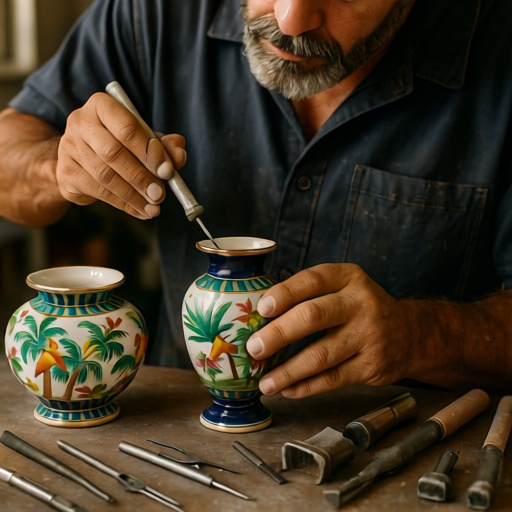
Caribbean collectibles, imbued with history and cultural significance, require careful handling to maintain their value and beauty. Proper preservation and, when necessary, restoration, are crucial for ensuring these treasures endure for generations. This section explores practical techniques for safeguarding your collection.
Environmental Control: The Foundation of Preservation
The environment plays a significant role in the deterioration of collectibles. Fluctuations in temperature and humidity are primary culprits. High humidity can lead to mold growth, warping, and corrosion, particularly affecting items made of wood, paper, or metal. Conversely, excessively low humidity can cause materials to dry out, crack, or become brittle. Aim for a stable environment with a relative humidity between 45% and 55%.
Temperature should also remain consistent. Avoid direct sunlight and sources of heat, as these can accelerate fading, discoloration, and material degradation. A cool, dry storage space away from direct sunlight is ideal. Consider using a dehumidifier in humid climates or a humidifier in very dry ones to maintain optimal conditions. For example, archival-quality storage boxes help buffer against minor environmental shifts.
Handling with Care: Minimizing Physical Damage
Gentle handling is paramount. Always wash your hands thoroughly before handling collectibles to avoid transferring oils and dirt. When handling delicate items, support them properly to prevent stress or strain. Avoid touching painted surfaces directly; instead, handle by the edges or using gloves. For textiles, consider using acid-free tissue paper for support during transport or storage. Do not attempt to clean or repair items unless you are confident in your abilities; improper methods can cause irreversible damage.
Cleaning Techniques: A Delicate Balance
Cleaning should be approached cautiously. Avoid using harsh chemicals, detergents, or abrasive cleaners, as these can damage the surface of collectibles. For many items, a simple dry dusting with a soft brush is sufficient. For more stubborn dirt, use a slightly damp (not wet!) cotton swab or microfiber cloth. Always test any cleaning method on an inconspicuous area first to ensure it doesn’t cause discoloration or damage.
Specific materials require tailored approaches. Silver items may tarnish; use a silver polishing cloth specifically designed for antiques, following the manufacturer's instructions carefully. Textiles may benefit from gentle spot cleaning or professional conservation. Paper items are particularly sensitive; avoid rubbing or scrubbing, and use archival-quality materials for storage. According to the American Institute for Conservation (AIC), the principle of “do no harm” should always guide cleaning efforts.
Restoration: When and How
Restoration involves reversing damage to a collectible. It’s a complex process and should be undertaken only when absolutely necessary and ideally by a qualified professional conservator. Restoration efforts should aim to stabilize the item and prevent further deterioration, while respecting its original character.
Common restoration techniques include:
- Consolidation: Stabilizing crumbling or flaking materials.
- Repair: Addressing cracks or breaks using compatible materials.
- Re-крепление: Reattaching detached components.
- Surface Treatment: Stabilizing or consolidating surface layers.
It's crucial to understand that restoration can impact an item's historical value. Any restoration work should be documented thoroughly, including materials and methods used. Consulting with an experienced conservator is highly recommended to determine the best course of action. A case study from the National Museum of Jamaica highlights the challenges and rewards of restoring deteriorated historical documents, emphasizing the importance of meticulous documentation and reversible techniques.
Safe Storage: Protecting Your Investment
Proper storage is an ongoing process. Store collectibles in a stable, climate-controlled environment, protected from light, dust, and pests. Use archival-quality storage materials, such as acid-free boxes, tissue paper, and polyethylene foam. Avoid overcrowding storage spaces to prevent damage. Regularly inspect your collection for signs of deterioration, such as mold, insect infestation, or fading. Addressing issues promptly can prevent further damage. Consider using display cases with UV-filtering glass to protect valuable items. A well-organized and protected collection will not only maintain its aesthetic appeal but also preserve its historical and cultural significance.
Disclaimer: This information is for general guidance only and should not be considered a substitute for professional conservation advice. Always consult with a qualified conservator for specific recommendations regarding your collection.
Advanced Collecting Strategies: Building a Specialized Caribbean Collection
Moving beyond general Caribbean memorabilia requires a focused approach to build a truly specialized and valuable collection. This involves identifying a niche, conducting in-depth research, and developing strategic acquisition methods. Collectors often gravitate towards specific themes, eras, or geographical regions within the Caribbean, which significantly impacts the rarity and desirability of items.
One avenue for specialization is by focusing on a particular island or island group. For example, a collector might concentrate on artifacts from Jamaica’s music history, including vintage vinyl records, concert posters, and memorabilia related to reggae artists. Or perhaps the focus is on the colonial history of Barbados, seeking out antique maps, documents, and objects related to the sugar trade. This focused approach allows for deeper knowledge and a more targeted search for unique pieces.
Another compelling specialization is by collecting items related to a specific craft or art form. Consider the intricate wood carvings found throughout the Caribbean, each island boasting unique styles and techniques. A collector could specialize in Trinidadian mas bands, collecting original costumes, photographs, and ephemera. Or, they might focus on the vibrant ceramics of Puerto Rico, seeking out pieces from renowned local potters. Understanding the historical context and artistic significance of the chosen craft is crucial.
For collectors interested in historical artifacts, pinpointing a particular historical period can be beneficial. The era of piracy in the Caribbean offers a rich field for exploration, with potential finds ranging from antique maps and nautical instruments to recovered coins and personal belongings of pirates. Similarly, the period following colonialism presents opportunities to collect documents, photographs, and objects reflecting the evolving social and political landscape. Researching key historical events and influential figures within that period will inform the search.
Effective research forms the cornerstone of any specialized collection. This goes beyond simply browsing online marketplaces. Collectors should consult academic resources, museum archives, and specialized auction records. Publications from regional historical societies and anthropological studies can provide invaluable insights into the history and cultural significance of Caribbean objects. Understanding provenance – the history of ownership – is paramount for establishing authenticity and value.
Acquisition strategies for specialized collections often differ from those used for more general collecting. Networking within the collecting community is highly valuable. Attending specialized auctions, Caribbean cultural festivals, and museum events provides opportunities to connect with other collectors, dealers, and experts. Building relationships can lead to access to rare items that are not publicly available.
Online platforms can be useful, but require a discerning eye. While sites like eBay and Etsy offer a wide selection, specialized Caribbean collectibles are often found on smaller, niche websites or through international auction houses. Careful examination of item descriptions, photographs, and seller reputation is essential to avoid misrepresented or inauthentic pieces.
Real-world scenarios illustrate the benefits of specialization. For instance, a collector focused on pre-1950s Caribbean advertising posters has witnessed a significant increase in value as these items become increasingly rare. According to industry analysis, vintage advertising is a consistently growing segment within the collectibles market, with well-preserved pieces commanding premium prices. Similarly, a collector who early identified and acquired examples of early Caribbean photography has seen their collection appreciate considerably.
Documenting the collection meticulously is crucial. This includes detailed records of each item, including its history, provenance, acquisition cost, and condition. High-quality photographs and potentially even condition reports from experts can further enhance the value and protect the investment. A well-documented collection not only provides a richer understanding of the items but also serves as valuable evidence of authenticity and historical significance.
Investing in Caribbean Collectibles: Trends, Risks, and Long-Term Potential
The allure of Caribbean collectibles extends far beyond typical souvenir shops. A deeper dive reveals a vibrant and potentially rewarding investment landscape, though one that requires careful consideration. Understanding current trends, potential risks, and long-term prospects is crucial for anyone looking to acquire these unique treasures.
Current Market Trends
Several factors are driving interest in Caribbean collectibles. Firstly, the increasing popularity of Caribbean tourism fuels demand for memorabilia. Visitors often seek tangible reminders of their experiences, creating a consistent market. Secondly, a growing appreciation for regional artistry and history is bolstering the value of certain items. This includes handcrafted goods, historical artifacts, and art depicting Caribbean life and culture.
A significant trend is the rising value of vintage and antique items. For example, pre-1970s Carnival masks and textiles, particularly those from specific islands with strong artistic traditions like Trinidad and Tobago, are experiencing increased demand from collectors worldwide. The scarcity of these items, coupled with their cultural significance, contributes to their growing value. Furthermore, collectibles related to specific historical events, such as the abolition of slavery or independence movements, hold considerable interest for serious collectors and institutions. The authenticity of these pieces is paramount and often verified through provenance research.
Digital platforms have also played a role in shaping the market. Online marketplaces and auction sites have expanded accessibility to Caribbean collectibles, connecting sellers with a global audience. This increased visibility can lead to greater price discovery and, in some cases, higher valuations for desirable items. However, it also requires buyers to exercise greater diligence in verifying authenticity and condition.
Potential Risks
Investing in Caribbean collectibles, like any asset class, carries inherent risks. One primary concern is authenticity. The market is susceptible to fakes and reproductions, especially for high-value items. Without expert knowledge and thorough research, collectors risk overpaying for counterfeit pieces. This is particularly prevalent with antique jewelry and artwork.
Condition is another crucial factor. The age and environmental exposure of Caribbean collectibles can lead to deterioration. Humidity, sunlight, and improper storage can damage textiles, wood carvings, and metalwork. Assessing the condition accurately requires a keen eye and, often, professional evaluation. Restoration can be costly and may impact the item's value.
Liquidity can also be a challenge. Caribbean collectibles are not always easy to resell quickly, particularly if they are highly specialized or niche items. Finding a buyer at the desired price might take time. This makes it less suitable for investors seeking immediate returns. Diversification within a collection, focusing on a range of items, can mitigate this risk.
Finally, market fluctuations are a factor. While certain categories may appreciate in value, others could stagnate or even decline. Changes in tourism patterns or shifts in collector preferences can influence demand and prices. Staying informed about market trends and seeking expert advice can help navigate these fluctuations.
Long-Term Potential
Despite the risks, Caribbean collectibles possess significant long-term investment potential. The cultural and historical significance of the region continues to grow globally, fueling sustained interest in its heritage. As appreciation for regional arts and crafts expands, the value of well-preserved and authentic Caribbean collectibles is likely to increase.
Specific categories with strong long-term prospects include:
- Vintage Carnival Masks: Particularly those with historical or artistic significance.
- Pre-Colonial Artifacts: Items offering insight into the islands’ early history.
- Handcrafted Textiles: Unique pieces showcasing traditional weaving and dyeing techniques.
- Early 20th-Century Ephemera: Postcards, photographs, and documents depicting Caribbean life.
- Rare Books and Prints: Works related to Caribbean history, culture, and art.
Investing in Caribbean collectibles is not simply about purchasing objects; it’s about acquiring a piece of history and culture. As the region's story becomes increasingly recognized and valued, the long-term potential for appreciation remains promising for discerning collectors and investors who prioritize authenticity, condition, and historical significance. Building a collection based on passion and informed research is key to realizing this potential over time.
Frequently Asked Questions
- What types of items are classified as Caribbean collectibles? Caribbean collectibles encompass a wide range of items, including antique maps, pottery, tools, textiles, photographs, and books, reflecting the islands' diverse history and cultures.
- How can I tell if a Caribbean collectible is valuable? The value of a Caribbean collectible depends on its rarity, historical significance, condition, and current market demand. Rare items linked to important events or figures tend to be more valuable.
- Where can I learn more about the history and cultural context of Caribbean collectibles? Museums, historical societies, books, and online resources specializing in Caribbean history and art can provide valuable insights into the significance of these collectibles.